
Short answer: Most unpleasant pet breath starts in the mouth. Bacteria in plaque along the gumline, and in the coating on the back of the tongue, break down proteins and release volatile sulphur compounds (VSCs), the gases behind the smell. What freshens breath is what deals with that plaque: daily cleaning along the gumline, a tasteless water additive in fresh water, and a veterinary dental check at least once a year. Breath that changes suddenly, or smells sweet, of ammonia or rotten, is a reason to see your vet.
Why breath smells
Bad breath is chemistry. Bacteria living in plaque and on the tongue feed on proteins: food particles, cells shed from the lining of the mouth, and anything that seeps from the gums. As they break those proteins down they release volatile sulphur compounds, chiefly hydrogen sulphide (the rotten-egg smell) and methyl mercaptan.
The bacteria that make most of these gases thrive where oxygen is scarce: deep in mature plaque, in the narrow gap between gum and tooth, and in the coating at the back of the tongue. So breath tends to follow plaque. Young, thin plaque cleaned away every day produces little smell. Plaque left to mature, especially at the gumline and under tartar, produces a lot.
A mouth is meant to have bacteria. The aim is not a sterile mouth, which is neither possible nor desirable, but a settled one in which plaque is kept young and thin. Breath is one of the simplest ways to tell how that is going.
Not all breath comes from the mouth. What your dog last ate, or found, plays a part, and occasionally an unusual smell has a cause elsewhere in the body. That is where your vet comes in.
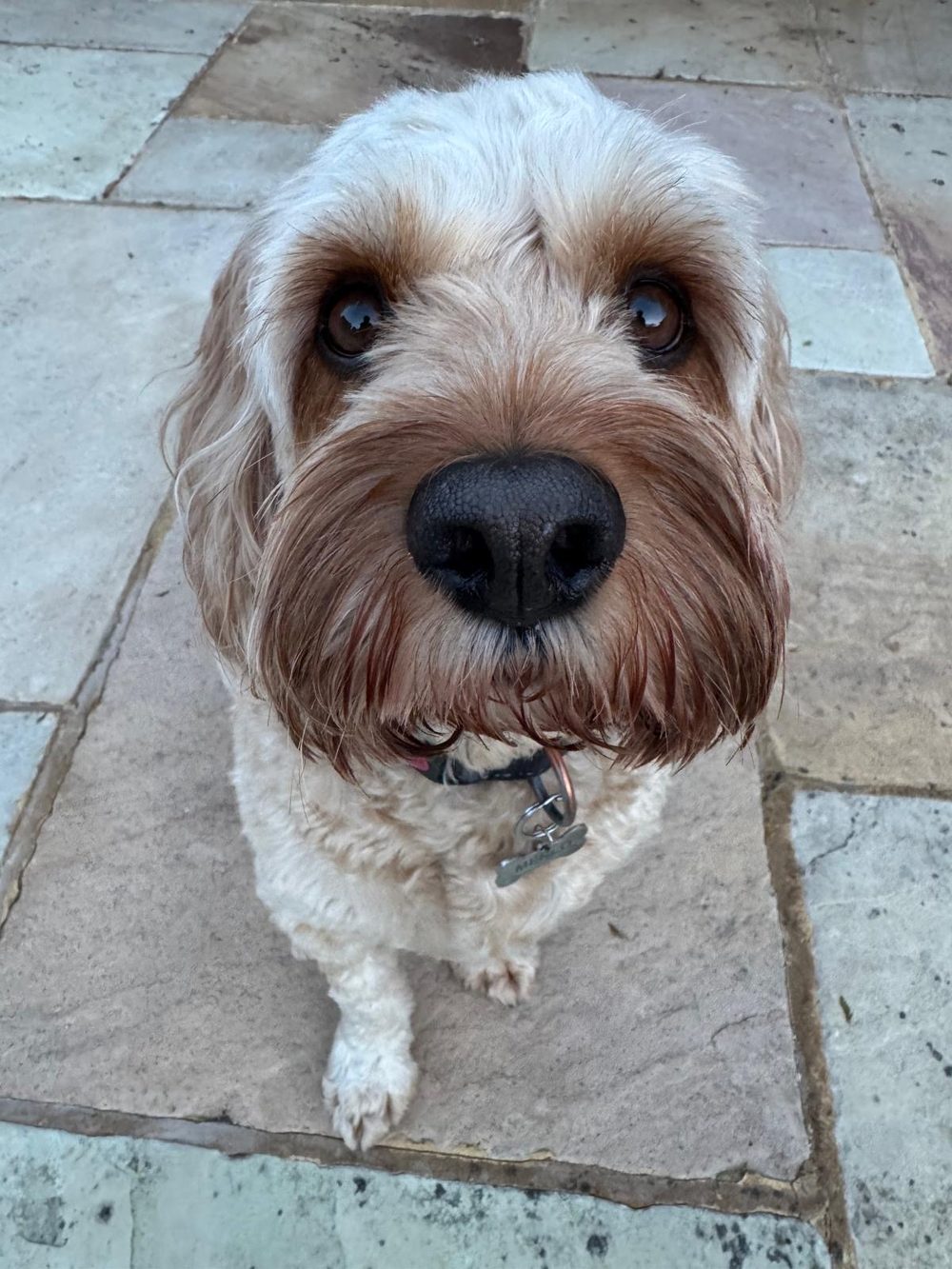
Doggy breath, or a reason to see the vet?
Breath is a clue, not a diagnosis. Use this table to decide when to book a check; only your vet can say what a change means.
| Breath | What it may mean, in general terms | What to do |
|---|---|---|
| Mild and steady, much as it has always been | Typical of a healthy mouth, especially just after eating | Keep up the routine and the yearly dental check |
| Slowly stronger over weeks, with yellow-brown build-up at the gumline | Plaque and tartar building up | Book a veterinary dental check and tighten the daily routine |
| A sudden change in a pet whose breath was fine | Something in or beyond the mouth has changed | Book a check promptly |
| Sweet or fruity, a little like nail-varnish remover | Can have causes elsewhere in the body | See your vet promptly; the same day if your pet also seems unwell, is off food, vomiting or drinking far more than usual |
| Like ammonia or urine | Can have causes elsewhere in the body | See your vet promptly; the same day if your pet also seems unwell, is off food, vomiting or drinking far more than usual |
| Rotten or foul, especially with drooling, blood, pawing at the mouth or reluctance to eat | The mouth may be uncomfortable | See your vet promptly; the same day if there is facial swelling, bleeding that will not stop or your pet will not eat |
In February 2026 the American Veterinary Medical Association put it plainly: "doggie breath" could be a sign of serious disease. Feline veterinary guidance lists bad breath among the warning signs in cats, too. Strong breath is common, but it is not something to accept as normal.
When to see your vet
If you notice loose or wobbly teeth, swelling, discharge, bleeding that does not settle, reluctance to eat, dropping food, drooling, pawing at the mouth or any change in behaviour, please contact your veterinary surgeon promptly. Home care supports professional care — it never replaces it.
What freshens breath
Because breath follows plaque, the things that freshen breath are the things that deal with plaque, every day.
- Daily cleaning along the gumline. A soft brush and pet toothpaste, or a textured wipe, disturbs the plaque where most of the smell is made. Nothing else on this list does that.
- A tasteless water additive. Added to fresh water each day, it freshens breath and helps keep breath fresh between cleans. Choose one that is odourless and tasteless, so your pet drinks as normal.
- A daily dental powder. Served over food by body weight, as the pack directs, it supports normal oral hygiene between cleans.
- A professional clean when your vet advises it. If there is tartar, home care alone rarely keeps breath fresh for long. A veterinary scale and polish gives the routine a clean start.
What does not work: covering it up
A smell that is masked is still being made. Mint, perfume and strong flavours sit on top of the problem for an hour or so while the plaque producing it carries on.
- Mint on its own. Minty chews and sprays can make breath smell of mint for a while. If the plaque stays, so does the smell underneath, and a pleasant scent can hide a change you would otherwise notice.
- Human mints, gum and mouthwash. Never. Many contain xylitol, which is toxic to dogs, and mouthwash is not made to be swallowed.
- Essential oils around cats. Peppermint, tea tree, eucalyptus and clove oils are a particular concern for cats, which have very limited ability to process them. Anything "minty" for a cat needs a careful look at the label.
- Human toothpaste. It is made to be spat out and may contain fluoride, foaming agents or xylitol.
A fresh-breath routine
Clean
Brush or wipe along the gumline daily, or every other day at the very least, to stay inside the 48 to 72 hours it takes plaque to start hardening.
Support
A dental powder over one meal a day, measured by body weight as the pack directs.
Maintain
A tasteless water additive in fresh water each day.
Monitor
A weekly sniff and lip-lift. Same, stronger or different? Write it down.
Professional care
A veterinary dental check at least once a year, and promptly if breath changes.
Wash the water bowl every day, too. The slippery film that builds up inside an unwashed bowl is a biofilm of its own.
Cats and breath
A healthy cat's breath is usually mild. Noticeable bad breath in a cat deserves a veterinary look, and feline veterinary guidance lists it among the signs owners can spot, alongside red or bleeding gums, chewing on one side, dropping food, pawing at the mouth, drooling and grooming less.
Cats also hide discomfort brilliantly, and many carry on eating despite a sore mouth, so a good appetite is not proof that all is well. Some of the most important changes in cats' teeth happen at or below the gumline, where only your vet can assess them.
For the routine itself, use products labelled for cats: a cat toothpaste free of essential oils, phenols and xylitol, and a water additive labelled for cats. If your cat drinks less after you add anything to the water, go back to plain water. Start with the cat guide.